
 Image 1 of 1
Read my promise to every student
Who it’s for
No design experience needed.
Career switchers
You want to move into UX and UI design from another field, and need a real project, proper feedback and a process to show employers.
Curious newbies
You’re curious about design and don’t know where to begin or you’re someone who wants to learn some of the key skills required in the tech industry.
Ambicious upskillers
You want to dive deeper into the design process, going from research all the way to delivery, making clear, confident decisions at every step.
Want to chat with me before you book your seat?

What you’ll learn, week by week
You’ll take a brief from first research to a working prototype, with feedback on your work every week.
Week 1
Introduction to UX, UI and AI
We'll meet the group, unpack what UX and UI really mean, and talk honestly about how AI is changing the job (spoiler: the thinking matters more than ever). Then you'll get the brief that you'll take all the way to a prototype.
Week 2
Thinking like a designer 🧠
Today we fall in love with the problem, not the first solution. We'll dig into design thinking and use AI as a speedy research assistant to scope out the market around your brief, then check its homework (it gets things wrong more often than you'd think).
Week 3
User interviews 🔍
Time to talk to real humans. We'll plan and practise user interviews, use AI to sharpen your questions and transcribe your sessions, and learn why people rarely do what they say they do.
Week 4
Customer profiles and journey maps 🧑🤝🧑
All those notes start to make sense. We'll turn your research into customer profiles (who they are, what they're trying to get done, and what's getting in the way), plus journey maps and those lovely "aha" insights. AI can help sort the mess, but you'll learn to spot what it misses.
Week 5
Job stories, ideas and user flows 💡
Time to get specific. We'll write job stories: "When I'm…, I want to…, so I can…", which keep the focus on the situation and the outcome. Then it's sketching, Crazy 8s, and AI as a brainstorming buddy, before we map how people will move through your solution with user flows.
Week 6
Our first proper visual design stop. Grids, spacing and visual hierarchy, the invisible rules that make screens feel calm. We start the old-fashioned way, on paper, because a sketch with an opinion beats a vague prompt every time.
Layout and wireframing 📐
Week 7
Visual design: type, colour and imagery 🎨
Now we play. Typography, colour, imagery and icons. We'll use AI to explore moodboards and directions fast, then apply a designer's eye to choose what actually works.
Week 8
Components, design systems and accessibility 🧱
Buttons, cards, forms and the rest. We'll build reusable components and the start of a design system, and make sure everything's accessible, so your product works for everyone.
Week 9
Prototyping with AI, and telling your design story 🤖✨
The big one. We'll take your sketches and designs and bring them to life with AI tools, alongside a proper Figma prototype, starting small and layering in complexity so nothing important slips through the cracks. Then we'll switch hats and learn how to present design work: how to structure your story, explain your decisions, and handle tricky questions with confidence. You'll do a short practice run with friendly feedback from the group.
Usability testing. Before you go, we'll cover how to run a usability test: writing tasks, staying quiet while people struggle (harder than it sounds!) and taking good notes. Then over the week, you'll test your prototype with a few real people, spot where they get stuck, and make your fixes.
Week 10
Bring back your testing findings! We'll share what you learned and how you improved your design, then turn your project into a portfolio-ready case study. To finish, you'll present your work to the group, getting feedback on both the design and how you present it, before we talk next steps into the industry. Bring snacks, it's a celebration.
Your portfolio and final presentations 🎉
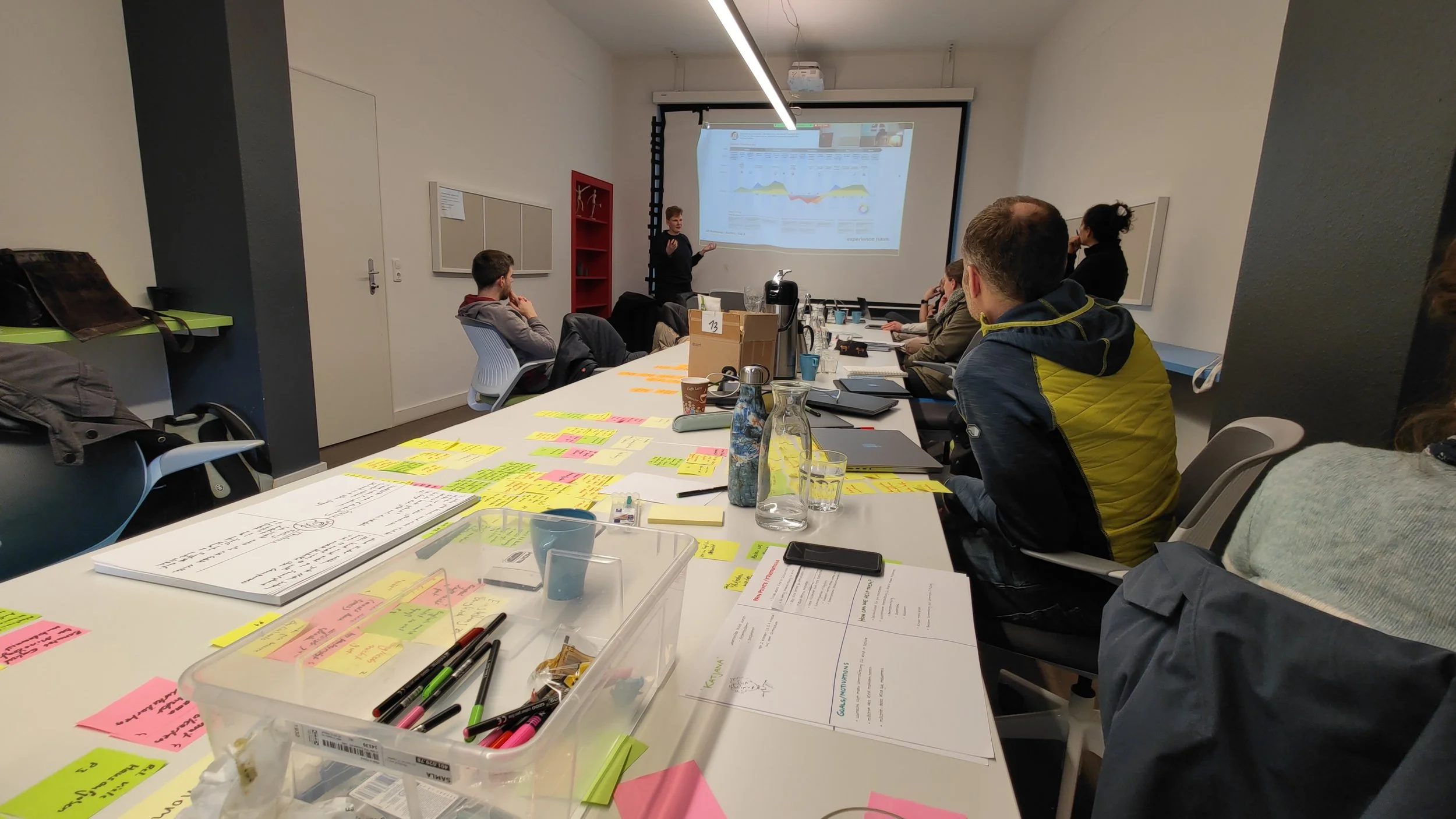
Your teacherOlivia Hall-Smith
Olivia is a product designer and the founder of Lucid Launch Academy. In 12 years she's worked on both sides of the product table, as Head of Product at Haven, Senior Product Manager at Pollen and Product and Design Lead at Local Heroes, after starting out at Tesco, Addison Lee and WeSwap.
Along the way she co-founded an EdTech startup, dabbled with a dating app idea, and for the last few years, she’s run Lucid Launch, her own consultancy helping companies with product strategy, customer research, UX/UI design and AI. Teaching has run alongside it all, including three and a half years teaching UX and UI at Experience Haus.
She's also run sessions at Queen Mary, Westminster, Kingston and the University of Essex, and her past students have gone on to found companies and land roles at Accenture, Lloyds Banking Group and more. It's that mix that shapes every course: design taught by someone who's led product teams.
What you’ll leave with
A portfolio project
One brief taken from research to prototype.
Weekly feedback
Direct feedback on your work from a working designer.
A process you can reuse
A clear way of working you can reuse.
A certificate
A certificate of completion for your CV and LinkedIn.
FAQs
-
Yes, all of our sessions will be recorded and you will receive a copy of each recording.
-
No. The course is built for beginners and for people adding design skills to their current role.
-
A laptop, a webcam, a reliable internet connection and a free Figma account.
-
Yes. Pay half when you book and the rest at least 14 days before the course starts.
-
There will be between three to five hours of homework each week, to help keep the project moving forward. We appreciate that most of our students will be taking the course around their job, so we aim to keep homework at a minimum.
-
Yes! Upon course completion you will receive both a digital and physical copy of your Lucid Launch Academy certificate.
-
There is no assessment to get onto the course, nor as part of the course. The output you will walk away with is a completed piece for your portfolio, which you will receive feedback on throughout the course.
-
Yes. Email olivia@lucid-launch.com before booking and we’ll send an invoice to your employer.
-
We will make sure you have all of the materials from the session, and a recording too.
-
You can cancel within 14 days of booking for a full refund. For later cancellations, see our refund policy.